Welcome to our reviews page. We will be happy to hear from you and know how we can serve you better.
Author Archives: Teefactor
I am an electrical and electronics enthusiast; with decades of experience in the field. I love teaching what I know and hope to be of help to as many as I come across.
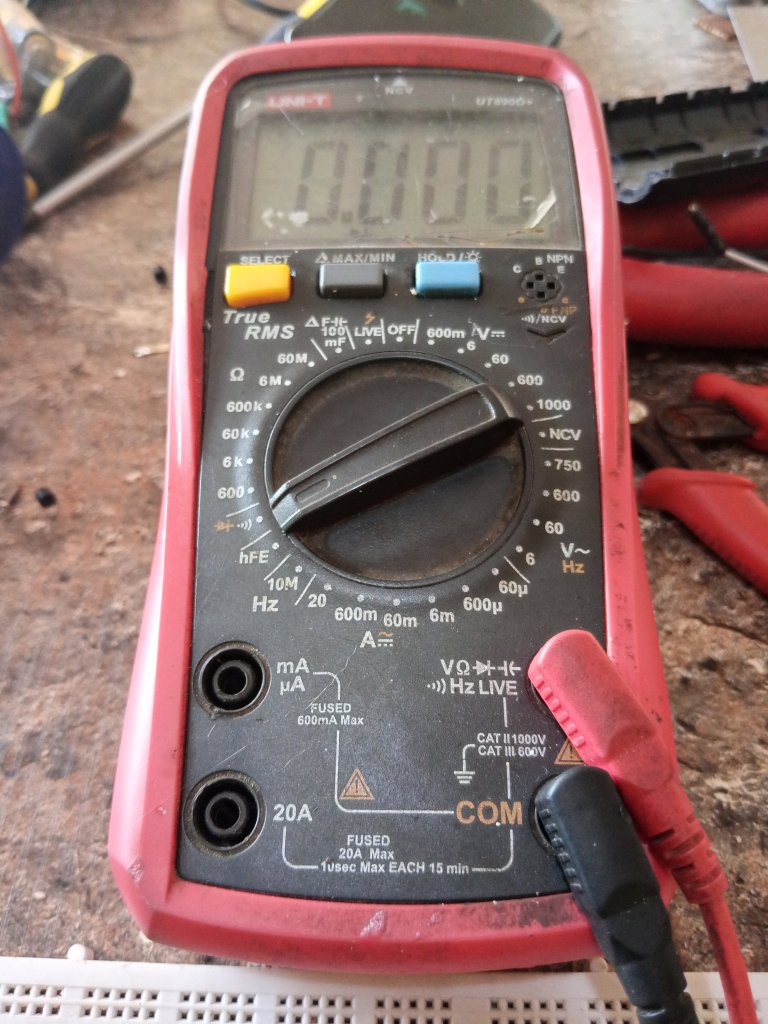
Testing Diodes With A Digital Multi Meter
In this post I will describe in simple terms a concise process required to test a P-N junction diode. I hope you find this helpful.
Diodes are small electronic devices that allow electric current to flow through in only one direction. It works by having low resistance in one direction and high resistance on the other. You’ll have to occasionally test a diode—which is typically made from a semiconductor material to make sure it’s working properly. You can check the health of a standard diode with either a digital or analog multimeter, which will measure in ohms (Ω) or volts. This post will describe how you can test it using a digital multimeter. There are different types of diodes—-Zener Diodes, light emitting diodes(L.E.D’s), P-N junction diodes, etc. We’ll however talk only about P-N junction diodes in this post.
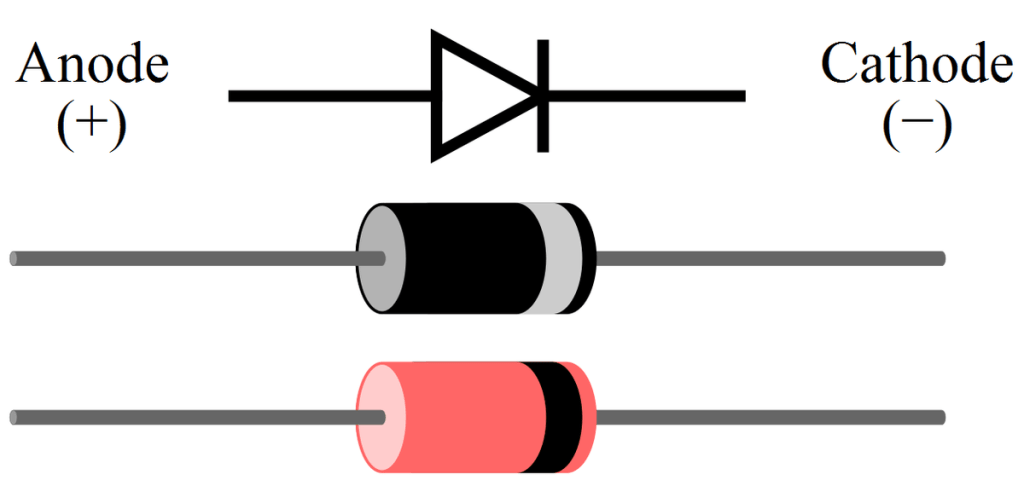
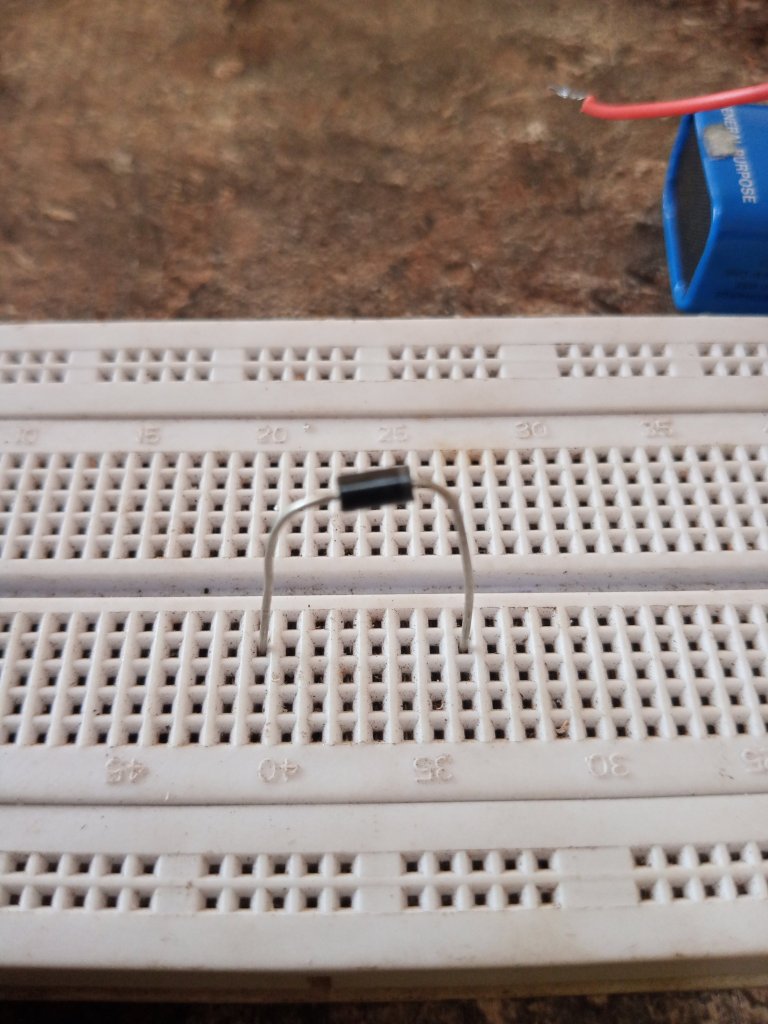
Take these simple steps to test a P-N junction diode:
Shut off the power source if the diode is in a circuit.
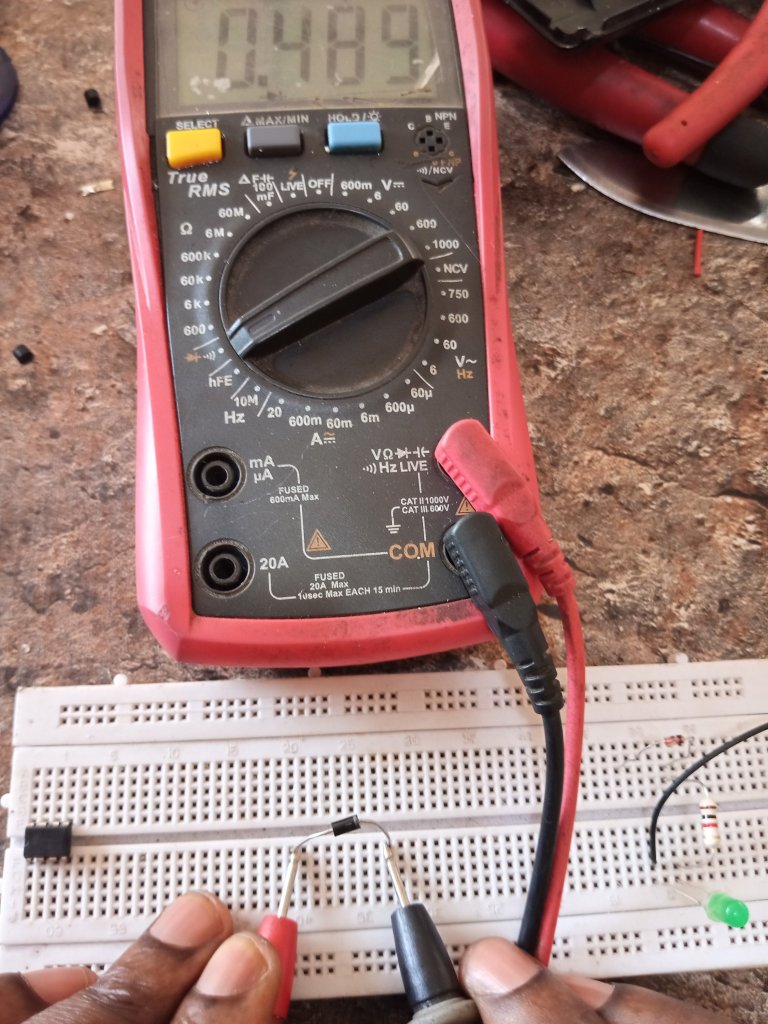
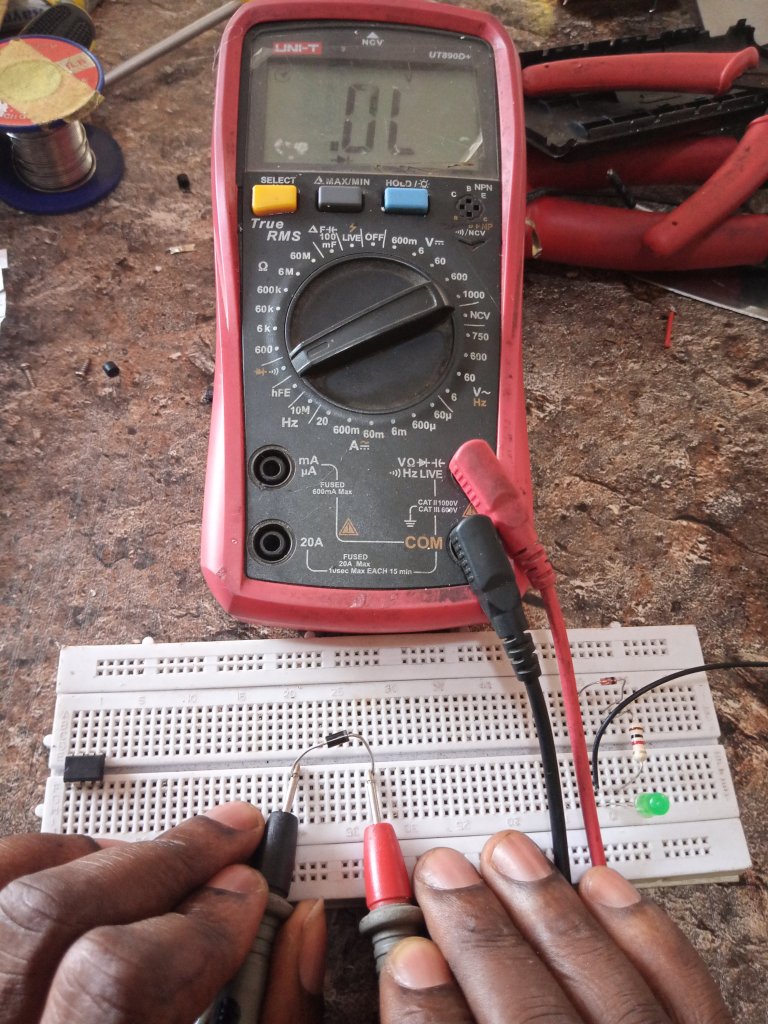
I hope this helps. Feel free to ask your questions in the comments section. Thanks.
 Teeta Tech